Visual Investigation
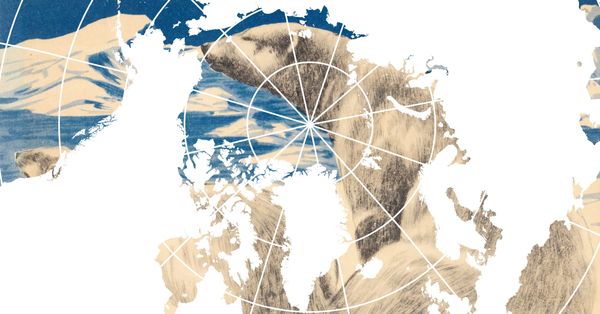
The Reach for Kalaallit Nunaat – A Matter of Scale?
An inquiry into how Greenland is seen, sized, and claimed through maps – and how other forms of cartography resist that reduction.
Visual Investigation
An inquiry into how Greenland is seen, sized, and claimed through maps – and how other forms of cartography resist that reduction.
re:port
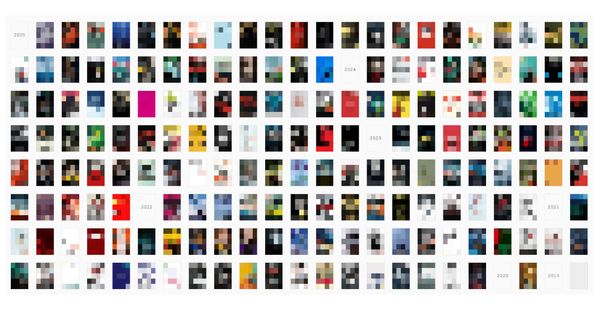
This Re:port looks at recent books in information design, my personal best reads in 2025, all of my personal ebook reading data and on how to Read Reading.
essay
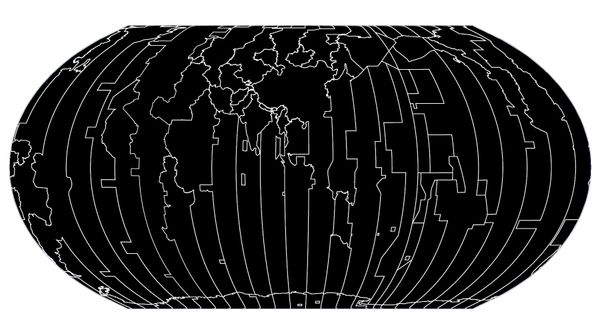
Examining the lines — and absences of lines — of timezones on the World map raises intriguing questions: From China’s single timezone to Franco’s timeshift. This second essay in the Series SIGHT REGIMES explores time zones as political and cultural operations.
re:port
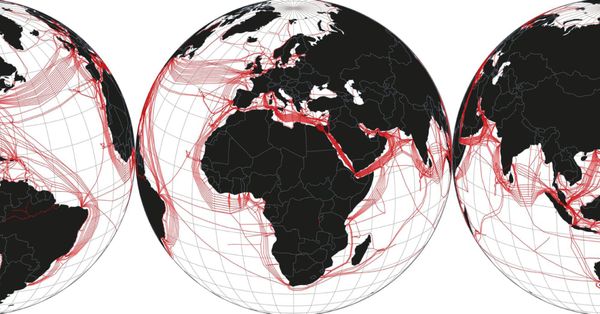
This Re:port explores the ongoing search for better ways to represent our globe on flat surfaces (most recently with the Tri Global Projection) and highlights global datasets that caught my eye — from historical CO₂ emissions to the hidden web of submarine cables.
essay
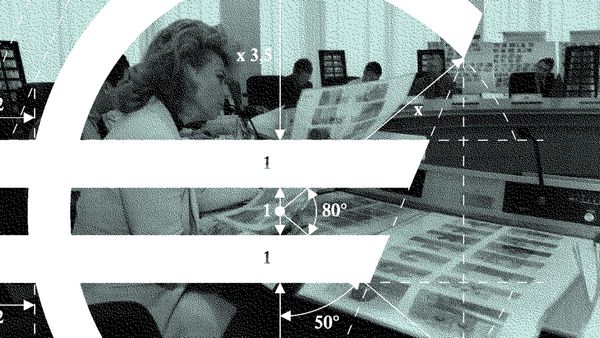
Sight regimes work not by telling us what to see, but by deciding what will appear true. In the Soviet Union, decades of map distortions embedded false geographies into the fabric of official design, turning cartography into an instrument of perception management and state security.
re:port
This Re:port looks at unfiltered AI conversations (WildChat Dataset), colonial history timelines (COLDAT Dataset), recent books (Critical Data Studies) and papers (Visual Representation of Worldmaps on small devices).
essay
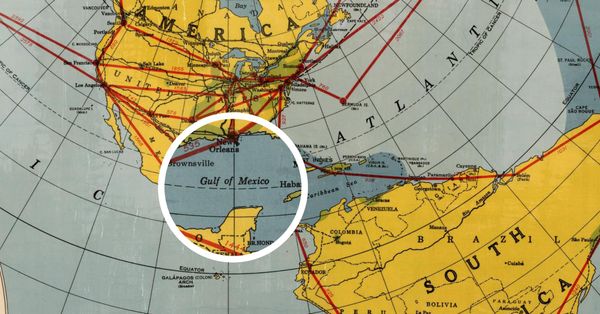
The renaming of the Gulf of Mexico is a reminder that maps are tools of power. This visual reconstruction traces the Gulf’s shifting names, revealing how cartography legitimizes claims, shapes perceptions, and asserts dominance — from colonialism to digital geopolitics.
An inquiry into how Greenland is seen, sized, and claimed through maps – and how other forms of cartography resist that reduction.
Examining the lines — and absences of lines — of timezones on the World map raises intriguing questions: From China’s single timezone to Franco’s timeshift. This second essay in the Series SIGHT REGIMES explores time zones as political and cultural operations.
Sight regimes work not by telling us what to see, but by deciding what will appear true. In the Soviet Union, decades of map distortions embedded false geographies into the fabric of official design, turning cartography into an instrument of perception management and state security.
The renaming of the Gulf of Mexico is a reminder that maps are tools of power. This visual reconstruction traces the Gulf’s shifting names, revealing how cartography legitimizes claims, shapes perceptions, and asserts dominance — from colonialism to digital geopolitics.
Essays & Reports on Data, Design and Visual Representation